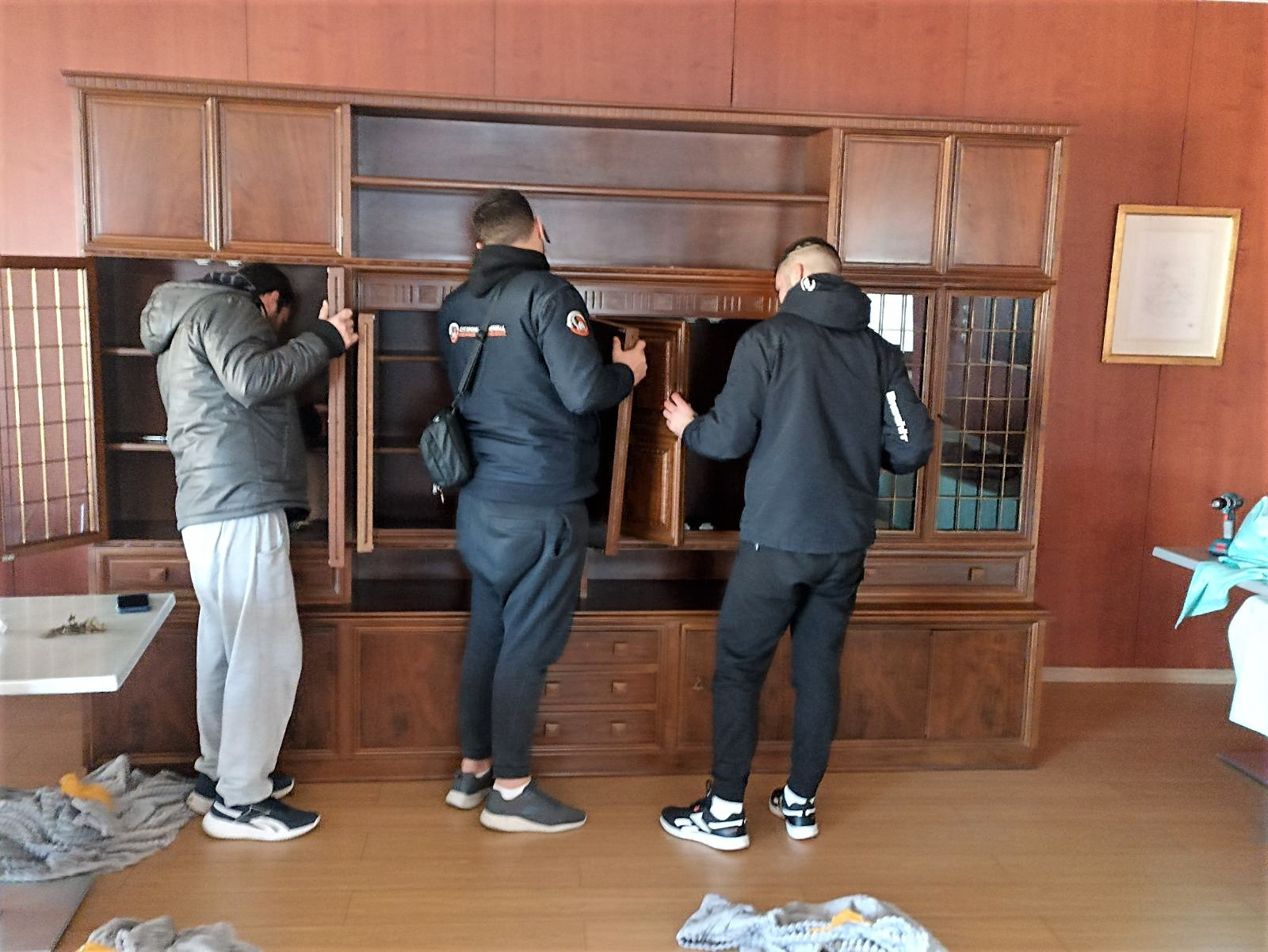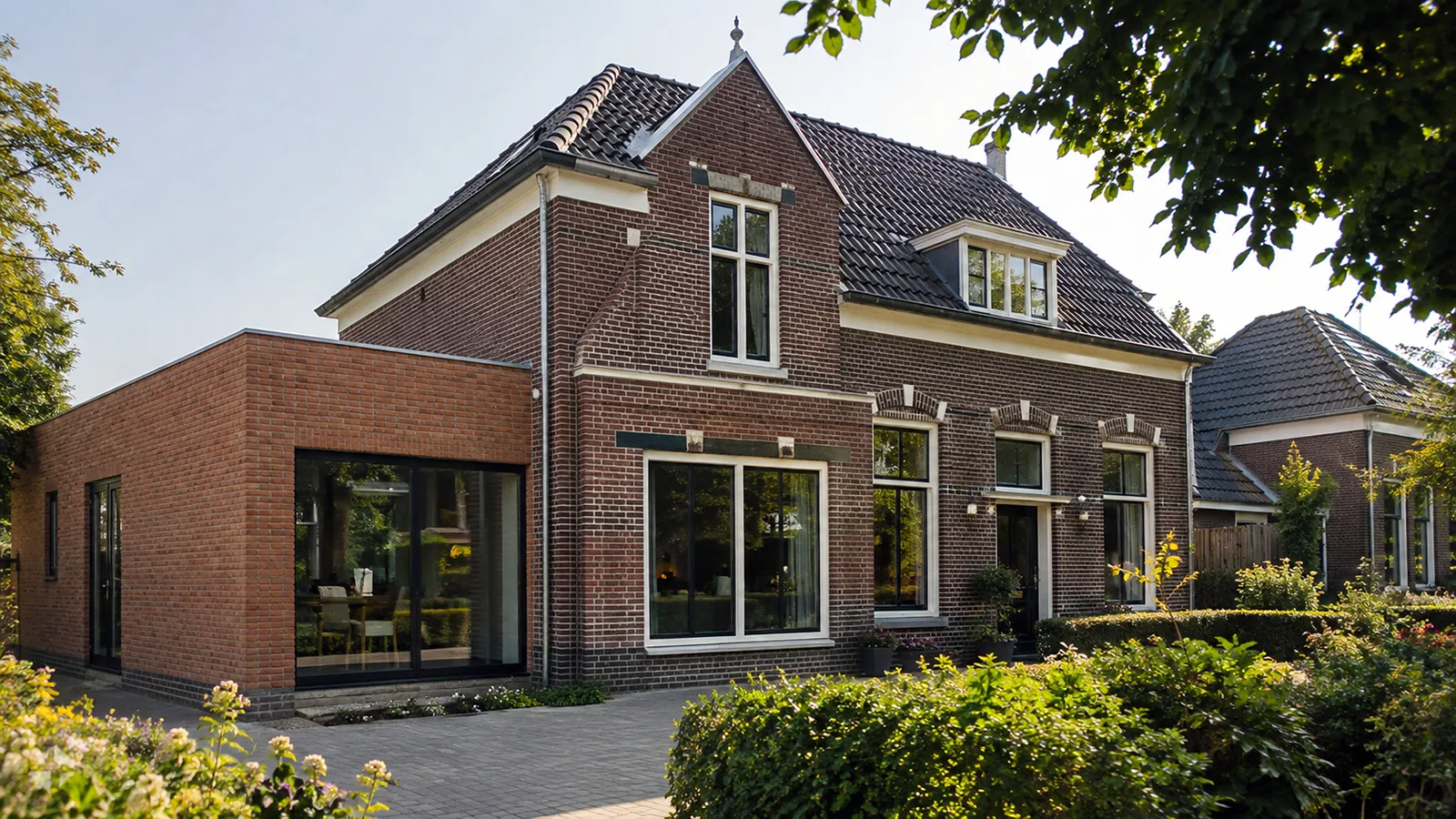
Renovating a property is an exciting opportunity to improve its appearance, comfort, and functionality. Whether the project involves a single room or an entire building, successful renovation depends on proper planning and professional execution. A clear vision, realistic budget, suitable materials, and experienced workmanship can help transform an existing property into a space that better suits modern needs.
Start With a Clear Renovation Plan
Before beginning construction, property owners should identify exactly what they want to achieve. Some renovations focus on cosmetic improvements, while others involve structural changes, new installations, or complete remodeling.
Creating a clear list of priorities makes it easier to determine which areas require immediate attention. It also helps when discussing the project with renovation professionals and preparing an estimated budget.
Evaluate the Existing Property
An older property may have issues that are not immediately visible. Problems with plumbing, electrical systems, insulation, heating, ventilation, walls, floors, or ceilings can become more expensive if they are discovered after cosmetic work has already been completed.
A professional assessment can help identify these potential concerns before construction starts. Addressing essential technical work early can create a stronger foundation for the rest of the renovation.
Improve the Layout
One of the biggest advantages of renovation is the ability to improve how a property is organized. Rooms that were previously separated or poorly arranged may be redesigned to make better use of available space.
A practical layout can improve movement, storage, lighting, and everyday functionality. For example, a kitchen can be redesigned to create more efficient work areas, while a living room can be arranged to provide better space for relaxation and entertainment.
Select Materials Carefully
Choosing the right materials is an important part of renovation planning. Materials should be selected according to the purpose of each room, expected usage, maintenance requirements, and overall design.
Flooring in busy areas should be durable, while bathrooms require moisture-resistant products. Kitchens benefit from easy-to-clean surfaces, and living areas may require materials that combine comfort with visual appeal.
Focus on Energy Efficiency
Renovation can provide an opportunity to improve a property’s energy performance. Insulation, modern heating systems, improved windows, ventilation, and underfloor heating may contribute to a more comfortable indoor environment.
Energy-related improvements should be selected according to the building’s existing structure and requirements. Professional advice can help determine which upgrades are most suitable for a particular property.
Managing the Construction Process
Large renovation projects can involve many different tasks and trades. Coordinating demolition, construction, plumbing, electrical work, flooring, painting, and finishing requires careful organization.
Working with an experienced renovation team can simplify this process. Clear communication about the scope of work, materials, schedule, and budget helps everyone understand the project’s expectations.
Property owners in the Netherlands who are researching professional renovation and construction services can visit https://cbsrenovation.nl/ for more information.
Creating a Personalized Interior
A renovation should reflect the personality and lifestyle of the people who use the property. Modern interiors can be designed around individual preferences while maintaining practicality.
Color schemes, flooring, lighting, storage, doors, fixtures, and furniture arrangements can all contribute to the overall atmosphere. A thoughtful combination of these elements can make a property feel more welcoming and comfortable.
Thinking About the Future
Good renovation planning considers more than immediate needs. Property owners should think about how the space may be used several years from now.
Flexible layouts, durable materials, efficient systems, and practical storage can make a property easier to adapt as circumstances change. This approach can also reduce the need for additional renovation work in the future.
Conclusion
A successful renovation combines careful planning, practical design, quality materials, and professional workmanship. Whether the goal is to modernize an interior, improve a kitchen or bathroom, increase energy efficiency, or create additional space, every stage should be considered carefully.
With the right approach, renovation can provide lasting improvements to comfort, functionality, appearance, and property value. By understanding the building’s needs and working with experienced professionals, property owners can turn their renovation ideas into a durable and enjoyable living environment.