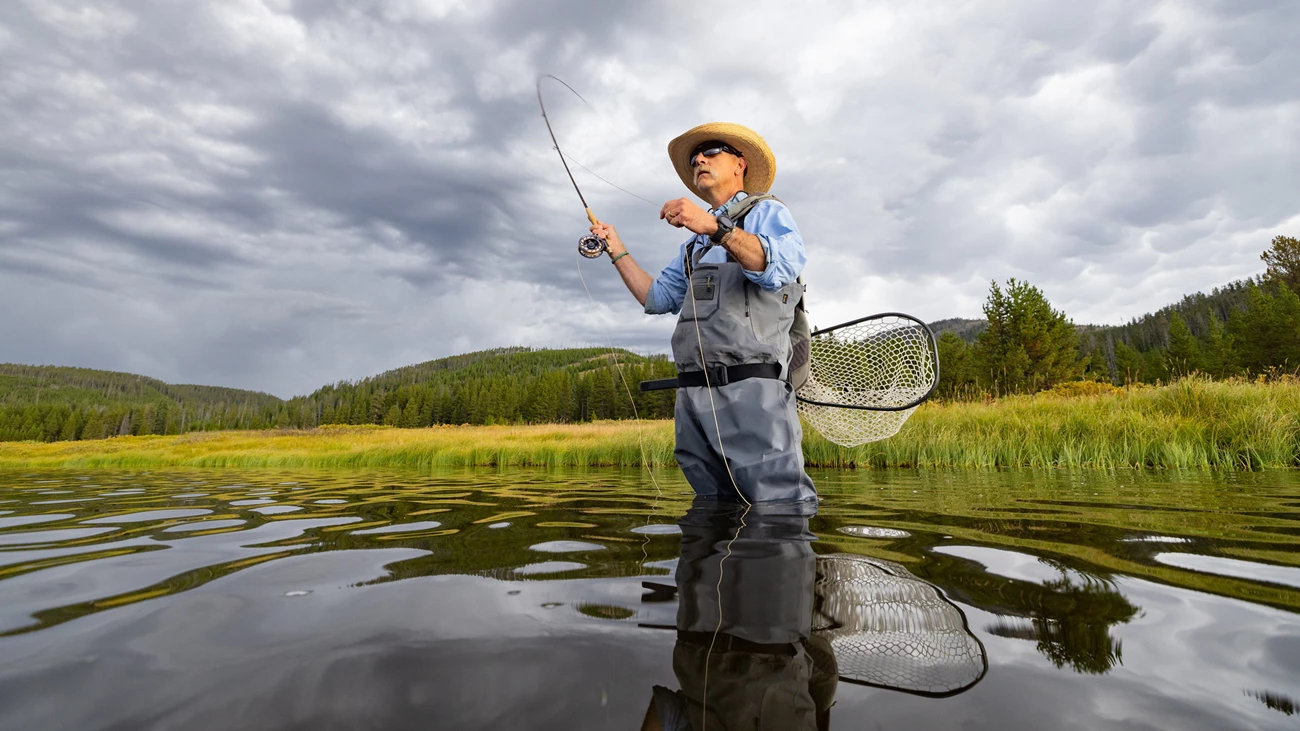
Fishing is a relaxing outdoor activity enjoyed by people with different levels of experience. Some people fish for the excitement of catching a particular species, while others enjoy spending quiet time near a lake, river, or coastline. Regardless of the reason, proper preparation can make a fishing trip more comfortable, productive, and enjoyable.
Choosing the right location is one of the first decisions to make before heading out. Different fish species prefer different environments, including shallow water, deep areas, vegetation, rocky sections, and moving currents. Learning about the local waterway can provide useful information about common species, seasonal conditions, and areas where fish are frequently found.
Equipment selection should match both the location and the type of fishing planned. A basic setup may include a suitable rod, reel, fishing line, hooks, weights, and bait or artificial lures. Beginners do not necessarily need expensive equipment. Starting with simple, reliable gear can make it easier to learn basic techniques without becoming overwhelmed by too many options.Pullin Drag Striper Fishing Guide Charter does fishing charters Smith Mountain Lake.
Weather and water conditions can influence the fishing experience. Temperature, wind, rainfall, and water clarity may affect fish activity. Before leaving home, checking the forecast and understanding local conditions can help anglers prepare appropriately. Wearing suitable clothing and carrying protection from sun or rain can also make a long day outdoors more comfortable.
One important part of fishing is learning how fish respond to their surroundings. Fish may move to different depths or locations depending on the time of day, water temperature, available food, and environmental conditions. Observing the water and changing techniques when necessary can be more effective than staying with the same approach throughout the entire trip.
Bait selection can also make a difference. Natural bait may attract certain species, while artificial lures can be useful for anglers who prefer active techniques. The choice should depend on the target fish and local conditions. Understanding how to present bait naturally can be just as important as choosing the bait itself.
Patience is an essential part of the activity. Fishing does not always produce immediate results, and successful anglers often spend time observing, waiting, and adjusting their approach. Instead of focusing only on the number of fish caught, many people enjoy the peaceful surroundings and opportunity to spend time outdoors.
Safety should always be considered near water. Wearing appropriate footwear, staying aware of slippery surfaces, and carrying basic safety equipment can help reduce unnecessary risks. When fishing from a boat, following boating safety rules and using appropriate flotation equipment is particularly important.
Responsible fishing also helps protect aquatic environments. Anglers should follow local regulations regarding fishing seasons, size limits, catch limits, and permitted equipment. Keeping fishing areas clean and disposing of line, hooks, packaging, and other waste properly can help preserve natural habitats.
For beginners, learning from experienced anglers can be extremely useful. Local fishing communities, guides, and educational resources can provide practical information about techniques and equipment. Spending time practicing basic casting, knot tying, and lure presentation can gradually build confidence.
Keeping a simple fishing journal can also improve future trips. Anglers can record the location, weather, water conditions, time of day, bait used, and species caught. Over time, these observations may reveal patterns that help with planning future outings.
Fishing offers an opportunity to combine recreation, patience, and outdoor exploration. With suitable equipment, thoughtful preparation, knowledge of local conditions, and respect for the environment, anglers can make each trip more rewarding. Whether someone is fishing for the first time or has years of experience, there is always something new to learn on the water.