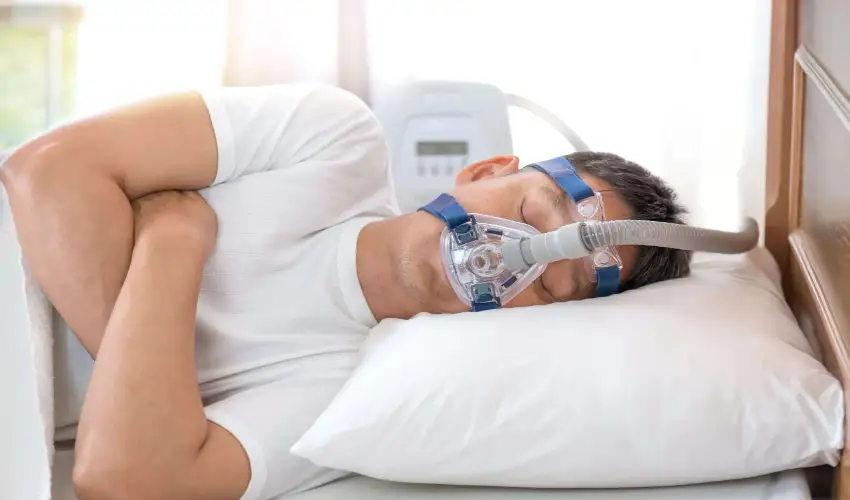
Sleep apnea is a common sleep disorder affecting millions worldwide, causing interrupted breathing during sleep. If left untreated, it can lead to fatigue, heart problems, and other health complications. One of the most effective ways to manage sleep apnea is by using a sleep apnea machine, also known as a CPAP (Continuous Positive Airway Pressure) device. But with numerous options available, choosing the right machine can be overwhelming. This guide will help you understand the factors to consider so you can select the best sleep apnea machine for your needs.
Understand Your Sleep Apnea Type
Before choosing a machine, it is crucial to understand the type of sleep apnea you have. Obstructive sleep apnea (OSA) is the most common type, caused by a blockage in the airway. Central sleep apnea (CSA) occurs when the brain fails to send the proper signals to control breathing. Some people experience complex sleep apnea, a combination of both OSA and CSA. Different machines are designed to address specific types, so consulting a sleep specialist for a diagnosis is the first step.
Types of Sleep Apnea Machines
There are several types of sleep apnea machines, each offering unique features:
- CPAP Machines: The most common option, CPAP devices provide a steady, continuous stream of air to keep your airway open. CPAP machines are generally effective for mild to moderate OSA.
- APAP Machines: Automatic Positive Airway Pressure (APAP) machines adjust the air pressure throughout the night based on your breathing patterns. They are ideal if your pressure needs fluctuate.
- BiPAP Machines: Bilevel Positive Airway Pressure (BiPAP) machines deliver higher pressure when you inhale and lower pressure when you exhale. BiPAP is typically recommended for those who struggle with CPAP or have complex sleep apnea or other respiratory issues.
Consider Comfort Features
Comfort is essential for consistent use of a sleep apnea machine. If a device is uncomfortable, you might skip using it, which defeats the purpose. When choosing a machine, look for features such as:
- Humidifiers: Integrated humidifiers prevent dryness in your nose and throat.
- Mask Variety: A comfortable mask that fits your face properly is crucial. Full-face masks, nasal masks, and nasal pillows are available, depending on your preference.
- Noise Levels: Modern machines are designed to be quiet, but checking the decibel rating can ensure peaceful sleep.
- Ramp Features: Ramp features gradually increase air pressure, making it easier to fall asleep.
Portability and Convenience
If you travel frequently, portability becomes an important factor. Some sleep apnea machines are compact and lightweight, making them travel-friendly. Battery-operated or rechargeable options can also provide flexibility when outlets are unavailable. Additionally, easy-to-clean designs save time and improve hygiene.
Technology and Connectivity
Many modern sleep apnea machines come with advanced technology that tracks your sleep and therapy progress. Some include:
- Data Monitoring: Machines can record data on apnea events, mask fit, and usage hours.
- Mobile Apps: Connected apps allow you to monitor therapy from your phone and share data with your doctor.
- Smart Features: Certain machines automatically adjust settings for optimal comfort and efficiency.
Insurance and Cost Considerations
Sleep apnea machines can vary in price depending on features, brand, and type. CPAP machines are generally the most affordable, while BiPAP devices tend to be more expensive. Many health insurance plans cover part or all of the cost, so it’s important to check your policy. Additionally, consider ongoing costs for masks, tubing, and filters when calculating the total investment.
Trial Period and Warranty
A trial period allows you to test the machine before committing. Most reputable manufacturers offer a 30-day trial, giving you time to adjust and see if the device suits your needs. Also, check for a warranty that covers defects and repairs, as sleep apnea machines are an investment in your long-term health.
Consult Your Sleep Specialist
Even with all the information available online, the best way to choose a 呼吸機 sleep apnea machine is to consult your sleep specialist. They can recommend the most suitable type based on your diagnosis, lifestyle, and comfort preferences. Your doctor can also help you navigate insurance coverage and provide tips for getting the most benefit from your therapy.
Final Thoughts
Selecting the right sleep apnea machine can significantly improve your sleep quality and overall health. By understanding your sleep apnea type, evaluating machine features, considering comfort and convenience, and consulting your specialist, you can make an informed decision. Remember, consistency is key—regular use of a properly fitted sleep apnea machine ensures restful nights and healthier days ahead.
Investing in the right sleep apnea machine isn’t just about managing symptoms—it’s about enhancing your quality of life. With the right device, you can wake up refreshed, energized, and ready to face each day.