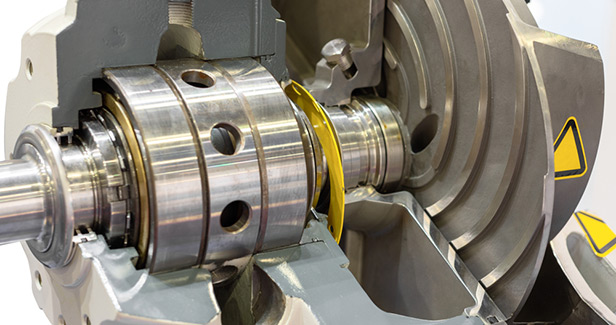
Mechanical seals are critical components that keep industrial equipment running safely and efficiently. They prevent leaks, reduce maintenance, and protect both personnel and the environment. In industries where fluids and chemicals are processed, choosing the right mechanical seal can make or break system reliability.
What Are Mechanical Seals?
Mechanical seals are devices that prevent fluid from leaking between a rotating shaft and a stationary housing. Unlike simple packing solutions, mechanical seals are designed to handle high pressure, temperature fluctuations, and corrosive materials.
Industries that rely on mechanical seals include:
- Oil and gas
- Chemical processing
- Petrochemical plants
- Power generation
- Water treatment facilities
Why Mechanical Seals Are Important
- Leak prevention: Protects people, equipment, and the environment.
- Equipment longevity: Reduces wear on pumps, valves, and other machinery.
- Operational efficiency: Maintains pressure and prevents downtime.
- Safety compliance: Supports regulatory and environmental standards.
Types of Mechanical Seals
Rotary Seals
Used for shafts that rotate continuously. They are the most common in pumps and mixers.
Advantages:
- High reliability
- Suitable for high-speed operations
Cartridge Seals
Pre-assembled units that simplify installation. Ideal for reducing errors during maintenance.
Benefits:
- Faster installation
- Reduced risk of misalignment
Balanced Seals
Designed for high-pressure applications, balancing forces to reduce wear.
Use cases:
- High-pressure pumps
- Chemical reactors
Single and Double Seals
- Single seals: Common for moderate pressure and temperature.
- Double seals: Used for hazardous or high-pressure fluids, often with a barrier fluid.
Key Factors in Selecting Mechanical Seals
- Fluid properties – corrosiveness, viscosity, abrasiveness.
- Operating conditions – temperature, pressure, and shaft speed.
- Material compatibility – metals, elastomers, and secondary materials.
- Maintenance and lifecycle – availability of replacement parts and ease of installation.
Selecting the right seal ensures longer service life and prevents unexpected downtime.
Best Practices for Seal Performance
- Ensure accurate installation and alignment.
- Use correct lubrication or barrier fluid.
- Regularly inspect for wear, cracks, or leaks.
- Replace seals at recommended intervals.
- Consult manufacturer specifications for harsh environments.
Mechanical seals play a critical role in protecting industrial pumps from leakage and wear.
Choosing the right mechanical seal ensures safety, reliability, and long-term efficiency.
Common Mistakes to Avoid
- Using the wrong seal type for the fluid or pressure
- Ignoring temperature or chemical compatibility
- Skipping preventive maintenance
- Improper installation
Avoiding these mistakes reduces downtime and operational risk.
Frequently Asked Questions (FAQ)
What is the primary purpose of a mechanical seal?
To prevent leakage between rotating and stationary parts.
Can mechanical seals handle corrosive chemicals?
Yes, if the materials are compatible with the fluid.
Are cartridge seals better than traditional seals?
They simplify installation and reduce alignment errors, but selection depends on the application.
How often should mechanical seals be inspected?
Inspection intervals depend on operating conditions but should be part of regular maintenance.
Where can I find industrial mechanical seals?
High-quality options are available on Saptora’s Seals page.
Conclusion
Mechanical seals are vital for safe and efficient industrial operations. Selecting the right type, ensuring correct installation, and following preventive maintenance guidelines are keys to maximizing performance. Integrating seals with properly engineered pump systems further improves reliability and reduces operational risk.