In the modern landscape of technology and commerce, the slot has evolved from a simple mechanical opening into a sophisticated pillar of efficiency. Whether we are discussing the high-stakes world of international aviation, the intricate blueprints of a motherboard, or the algorithms powering digital entertainment, the “slot” represents the ultimate intersection of timing, space, and probability.
The Power of the “Time Slot”: Logistics and Efficiency
In an increasingly crowded world, space is finite. This is most evident in the global aviation industry, where a “landing slot” is often more valuable than the aircraft itself. A slot at a major hub like London Heathrow or New York’s JFK is a strictly regulated authorization to use the full range of airport infrastructure—runway, taxiway, and gate—at a specific time.
Without this “slot” system, global travel would descend into chaos. This concept extends to our daily digital lives through time-blocking in productivity apps. By dedicating a specific slot to a singular task, we mimic the efficiency of an airport, ensuring that our cognitive “runway” isn’t overwhelmed by competing priorities.
Engineering the Interface: Expansion Slots
If you peel back the casing of any modern server or desktop computer, you encounter the expansion slot. These are the physical gateways that allow a machine to transcend its original limitations.
The most common standard today is PCIe (Peripheral Component Interconnect Express). These slots are rated by “lanes,” which dictate the speed of data transfer. The mathematical throughput of these slots is calculated based on the version and the number of lanes ($x1, x4, x8, x16$):
$$Total\ Bandwidth = \text{Data Rate} \times \text{Number of Lanes}$$
By providing these slots, manufacturers ensure that hardware remains modular. A user can “slot in” a more powerful GPU or a faster network card, effectively future-proofing their investment without replacing the entire system.
The Digital Slot: Gamification and UX Design
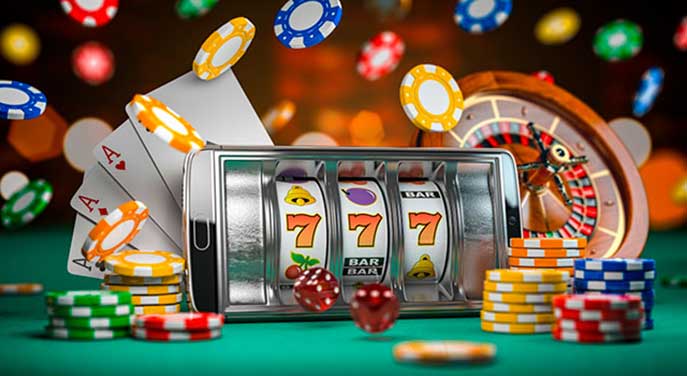
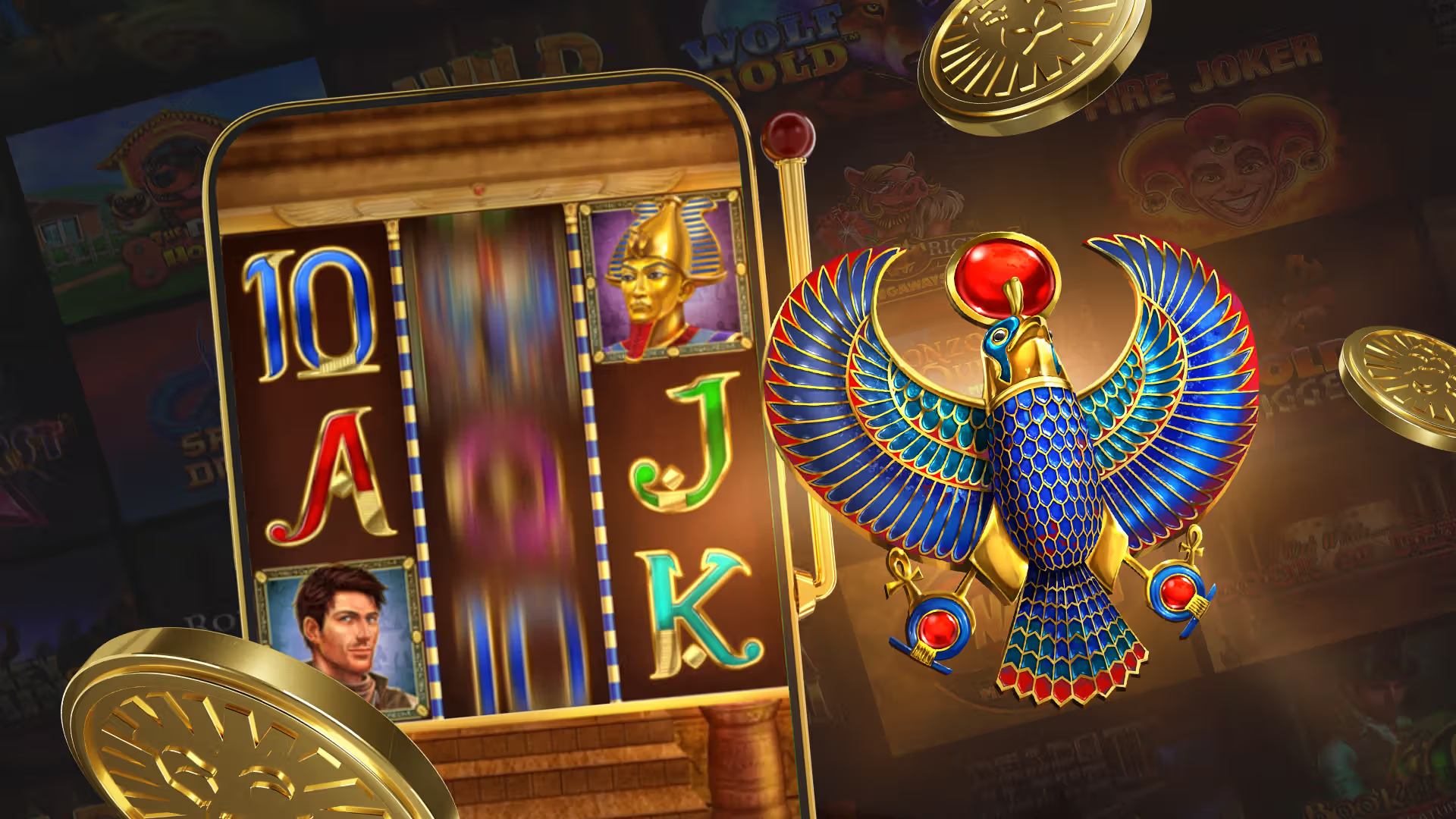
In the realm of user experience (UX) and gaming, the slot is a masterclass in psychological design. The transition from mechanical “one-armed bandits” to digital interfaces has allowed designers to experiment with the “Flow State.” Modern digital slots use sensory cues—harmonic sounds, vibrant color palettes, and haptic feedback—to create an environment where the user feels a sense of agency, even in games of pure chance. This is achieved through:
- Cascading Reels: Symbols that disappear to allow new ones to “slot” into place, creating multiple wins from a single action.
- Dynamic Paylines: Algorithms that calculate thousands of potential winning paths in milliseconds.
- RTP (Return to Player): A theoretical percentage that informs the player of the long-term expected payout.
Programming for Flexibility
For software engineers, the slot is a tool for clean, elegant code. In component-based web development (such as Vue.js or Web Components), a <slot> acts as a placeholder. It allows a parent component to pass custom HTML or other components into a child component’s layout.
This “pluggable” architecture means developers can build a single, robust template—like a modal window or a navigation bar—and use different “slots” to fill it with unique content depending on the page’s needs. This reduces code duplication and makes maintenance significantly easier.
Conclusion: A Universal Concept
From the physical nickel dropped into a machine in 1895 to the invisible data slots in a cloud server today, the concept remains the same: providing a dedicated space for a specific outcome. As we move toward an era defined by Artificial Intelligence and more complex automation, the “slot” will likely become even more abstract. We are looking at a future where AI might manage our “attention slots,” filtering through the noise of the digital world to ensure we are only presented with what is most relevant at any given moment. The slot, in all its forms, continues to be the way we organize the chaos of possibility into the order of reality.