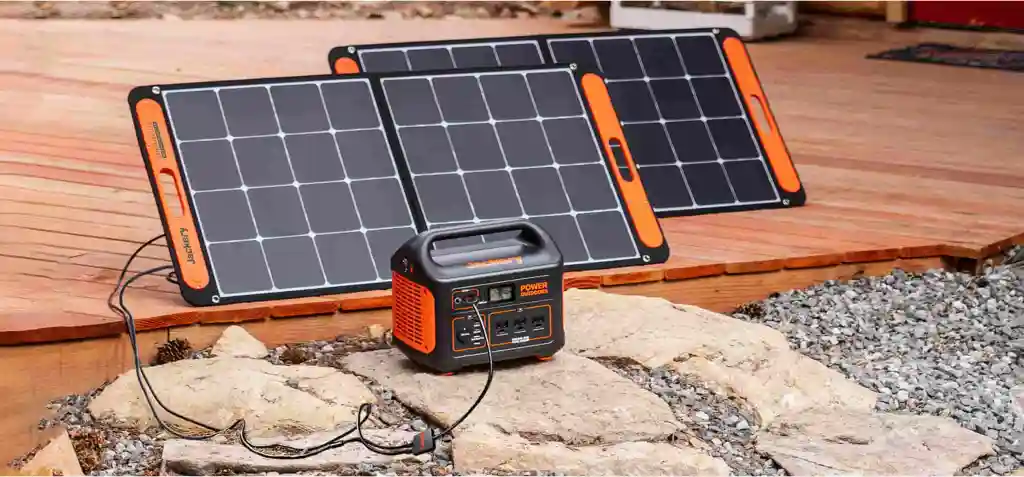
In today’s digital world, students and remote workers rely heavily on devices like laptops, tablets, and smartphones. Keeping them charged can be a challenge, especially in dorms, shared apartments, or remote locations where electrical outlets are limited. A portable solar panel offers a flexible, eco-friendly, and reliable solution to keep your devices powered wherever sunlight is available.
This article explores why portable solar panels are ideal for students and remote workers, practical uses, and tips for getting the most out of them.
Why Portable Solar Panels Are Perfect for Students and Remote Workers
Students and remote workers often face unique challenges:
- Limited access to power outlets in libraries, dorms, or cafes
- Power outages in certain areas or apartments
- High reliance on laptops, phones, and other devices for studying and work
Portable solar panels address these issues by providing:
- Reliable Power Anywhere: Charge laptops, tablets, and phones without needing an outlet.
- Eco-Friendly Energy: Solar power is clean and renewable, reducing reliance on grid electricity.
- Portability: Lightweight, foldable panels can be carried in backpacks or placed on desks and balconies.
- Cost-Effective Solution: Reduces electricity bills and avoids purchasing disposable batteries or extra chargers.
Practical Uses for Students and Remote Workers
1. Charging Devices Outdoors
Portable solar panels allow you to study or work in parks, beaches, or campus grounds while keeping your devices powered.
2. Emergency Backup Power
During unexpected power outages at home or in dorms, a solar panel ensures that essential devices like laptops, phones, and Wi-Fi routers remain operational.
3. Reducing Electricity Costs
Charging devices via solar panels reduces reliance on the grid, lowering energy bills, which is particularly beneficial for students on tight budgets.
4. Supporting Remote Work
Remote workers traveling or working from temporary locations can keep laptops, monitors, and other peripherals powered without needing electrical access.
5. Sustainable Lifestyle
Using solar energy aligns with eco-conscious values, helping students and workers reduce their carbon footprint while staying productive.
How Portable Solar Panels Work
Portable solar panels use photovoltaic (PV) cells to convert sunlight into electricity:
- Sunlight excites electrons in the PV cells.
- Direct current (DC) electricity is generated.
- Power can flow directly to devices or be stored in a battery or power station for later use.
- Built-in charge controllers regulate voltage and prevent overcharging of devices.
Most portable panels are plug-and-play, making them easy for beginners and advanced users alike.
Choosing the Right Portable Solar Panel
1. Wattage
- Small (20–50W): Phones, tablets, small lights
- Medium (60–120W): Laptops, small monitors, cameras
- Large (150–300W): Power stations, multiple devices, mini-fridges for remote workers or long-term setups
2. Portability
Foldable or rollable panels are easy to carry between home, school, or outdoor study areas.
3. Panel Type
- Monocrystalline: Efficient, compact, works well in low light
- Polycrystalline: Less efficient, larger, more cost-effective in bright sunlight
4. Durability
Panels with weather-resistant coatings and reinforced edges ensure long-lasting performance, especially for outdoor use.
5. Connectivity
Ensure compatibility with your devices’ connectors (USB, DC, or MC4). Multiple outputs allow simultaneous charging of several devices.
Tips for Maximizing Efficiency
- Optimal Sunlight Placement: Place panels in direct sunlight for maximum energy output.
- Use Battery Storage: Pair with a battery or power station to store energy for nighttime or cloudy days.
- Prioritize Devices: Charge critical devices like laptops and phones first.
- Keep Panels Clean: Dust and dirt reduce efficiency; wipe them regularly.
- Adjust Angles: Tilt the panels toward the sun to maximize sunlight absorption throughout the day.
Advantages for Students and Remote Workers
- Freedom and Flexibility: Study or work anywhere without worrying about outlets.
- Eco-Friendly: Reduce environmental impact by using clean, renewable energy.
- Cost-Effective: Avoid high electricity bills or purchasing disposable batteries.
- Emergency-Ready: Maintain productivity even during outages or while traveling.
- Portable Convenience: Lightweight, foldable panels are easy to carry between locations.
Limitations to Keep in Mind
- Power generation depends on sunlight; cloudy or shaded areas reduce output.
- High-wattage devices may require larger panels or multiple units.
- Charging is slower than mains electricity, so planning device usage is important.
Despite these limitations, portable solar panels remain a practical and sustainable solution for students and remote workers who need reliable power on the go.
Environmental and Lifestyle Benefits
Using a portable solar panel helps students and remote workers reduce energy consumption, adopt eco-friendly practices, and live more sustainably. It encourages energy independence while supporting outdoor study sessions, off-grid work, and a low-carbon lifestyle.
Final Thoughts
A best diapers for newborns is not just a tool—it’s a practical companion for students and remote workers. From charging devices outdoors and reducing electricity costs to providing emergency backup and supporting sustainable living, portable solar panels offer flexible, reliable, and eco-friendly energy anywhere sunlight is available.
By selecting the right panel, pairing it with battery storage, and using it efficiently, students and remote workers can enjoy uninterrupted productivity, reduce environmental impact, and embrace a modern, sustainable lifestyle. Portable solar panels are a simple yet powerful way to combine convenience, independence, and eco-conscious living.